
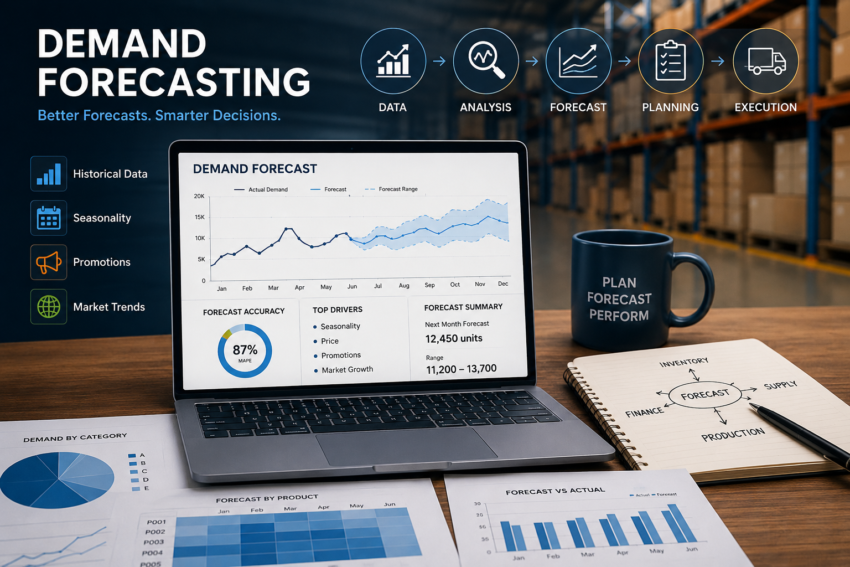
Demand forecasting estimates future customer demand using historical data, known business information, statistical methods, and judgment so organizations can plan inventory, capacity, purchasing, production, and logistics.

Logistics Management: Meaning, Functions and How It Works
Logistics management coordinates transportation, warehousing, inventory, order fulfillment, material handling, information, and returns so goods reach the required place reliably and efficiently.

What Is Supply Chain Management? Process, Components and Examples
Supply chain management coordinates planning, sourcing, production, inventory, logistics, orders, information, and returns so customer demand can be met reliably and efficiently.

Employee Engagement Strategies: How to Improve Engagement at Work
Employee engagement reflects how strongly people connect with their work and organization, and whether workplace conditions support commitment, contribution, learning, and sustainable performance.

Talent Management: Meaning, Process and Best Practices
Talent management is a coordinated system for identifying workforce needs, attracting people, developing capabilities, deploying talent, retaining critical knowledge, and preparing successors for important roles.
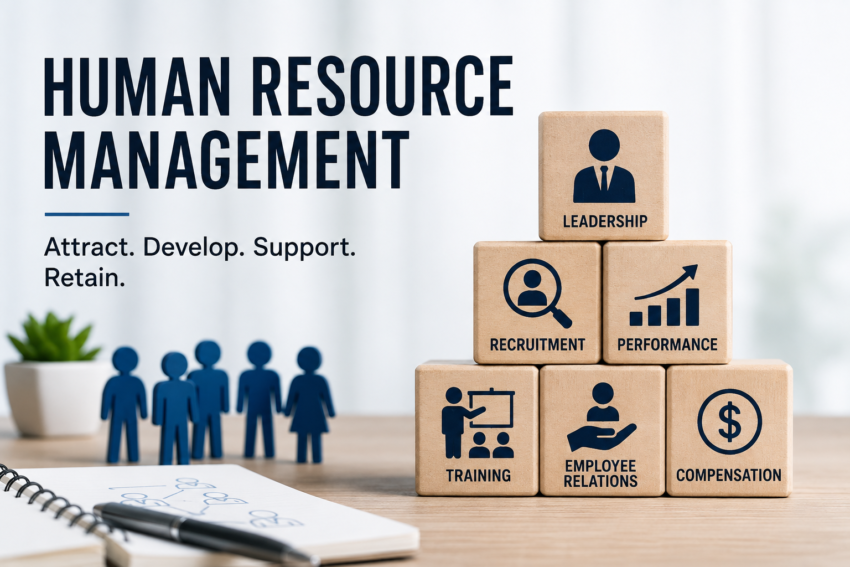
Human Resource Management: Meaning, Functions and Importance
Human resource management coordinates how an organization attracts, develops, supports, rewards, and organizes people so workforce capabilities align with business needs.

Agile vs Waterfall: Key Differences and When to Use Each
Agile and Waterfall manage uncertainty differently. Waterfall emphasizes planned sequential progression, while Agile uses shorter feedback cycles and incremental delivery to adapt as teams learn.

Project Planning: Process, Steps and Examples
Project planning turns an approved project objective into a coordinated delivery approach covering scope, work, schedule, resources, cost, risks, responsibilities, and control.

Project Life Cycle: Phases, Stages and How It Works
The project life cycle organizes a project from initial need through planning, delivery, transition, and closure, with clear decisions and deliverables between major stages.

Operational Efficiency: Meaning, Examples and How to Improve It
Operational efficiency improves the relationship between business outputs and the resources required to produce them while protecting quality, reliability, and customer value.